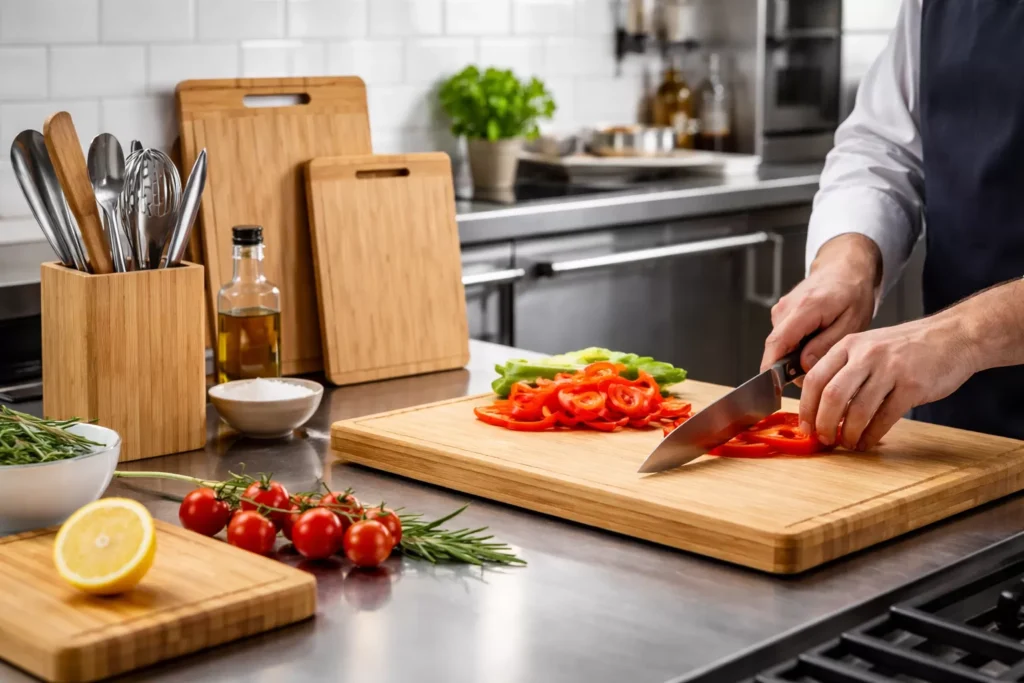
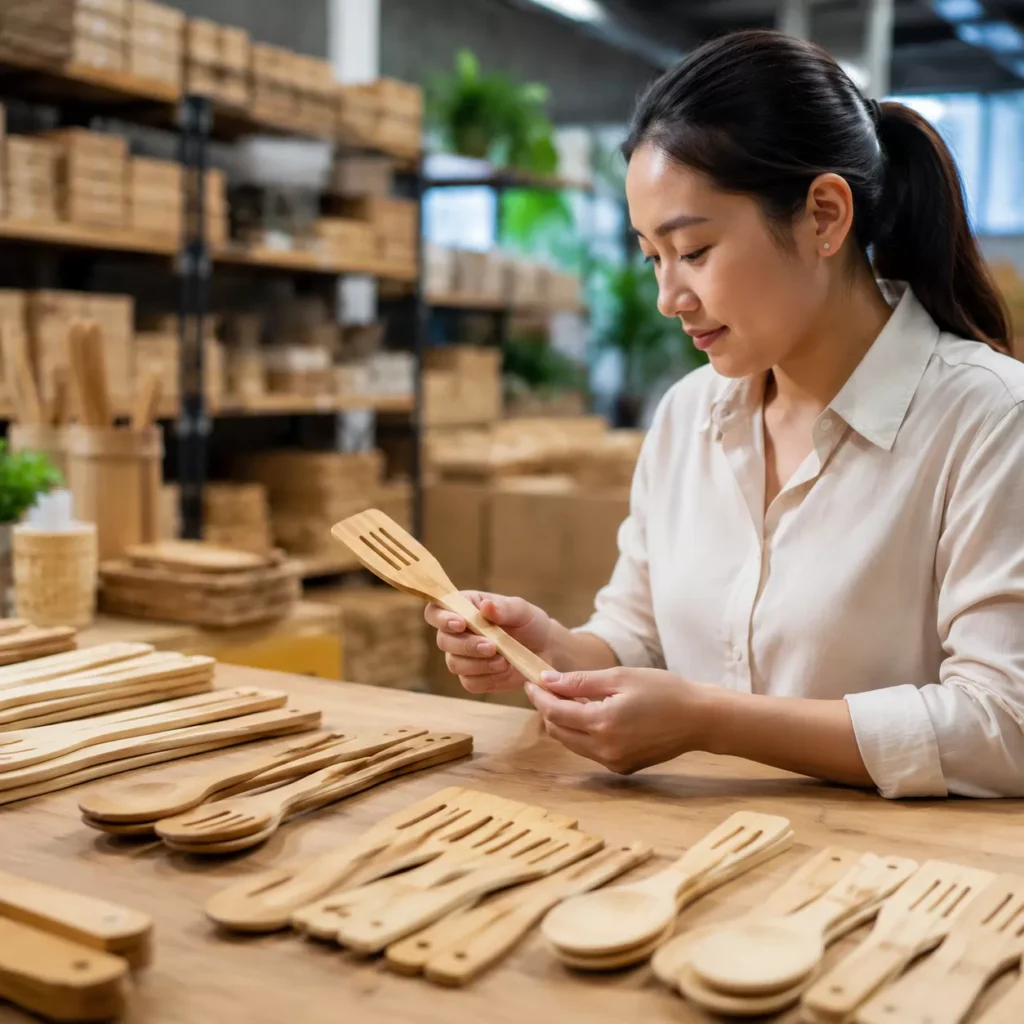
How to Make Bamboo Tray DIY Guide and Design Ideas
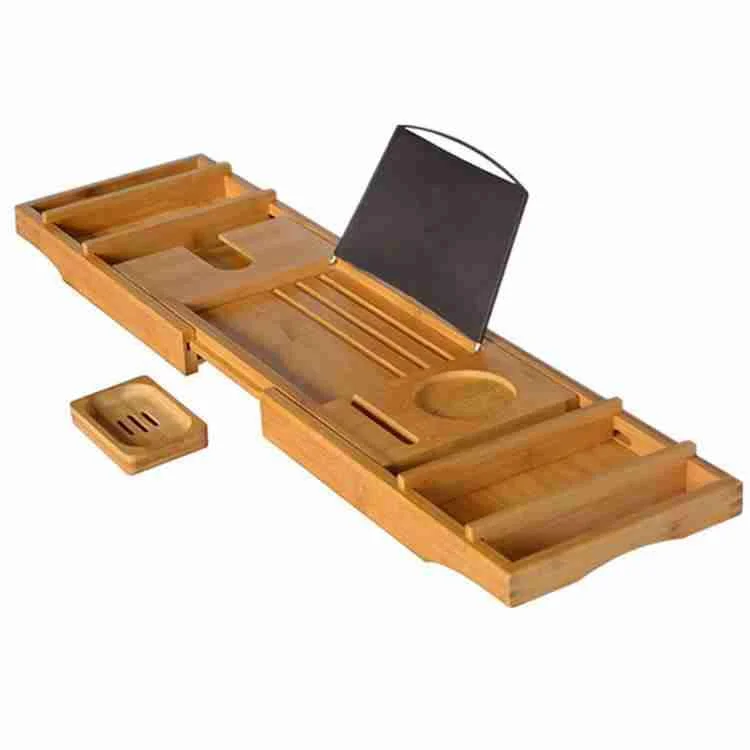
You might already know that custom decor can elevate any room…
But do you know exactly how to make a bamboo tray that looks professionally crafted?
Well, you\’re in for a treat because I\’ve put together the ultimate step-by-step guide based on real workshop experience.
Whether you want to build a stunning bamboo tray from scratch, breathe new life into a thrifted vintage piece, or elevate your design with a custom resin pour and elegant gold gilding, it\’s all here. I’ll even pull back the curtain on the exact commercial manufacturing process used by the pros.
If you are ready to craft beautiful, durable bamboo serving trays for your home or business, this guide is for you.
Let\’s dive right in.
Understanding Bamboo Trays: Basics and Benefits
Why Choose Bamboo for Serving Trays?
Bamboo is a rapidly renewable resource, making it a highly sustainable alternative to traditional hardwoods. Its natural tensile strength rivals that of steel, ensuring long-lasting durability without adding unnecessary weight. Bamboo is naturally resistant to moisture and bacterial growth, which is essential for serving food and beverages safely.
Popular Styles and Uses of Bamboo Trays
Bamboo trays adapt seamlessly to various global market needs, serving both functional and decorative purposes.
- Breakfast in Bed: Features foldable legs and deep lips to prevent spills.
- Coffee Table Decor: Flat, low-profile designs used to anchor magazines, candles, and remotes.
- Charcuterie Boards: Thick, flat slabs optimized for food presentation.
- Vanity Organizers: Small, compartmentalized trays for cosmetics and jewelry.

DIY Guide: How to Make a Bamboo Tray from Scratch
Learning how to make bamboo tray items at home requires precision and patience. The resulting piece is a functional work of art.
Essential Tools and Raw Materials Needed
| Item Type | Specific Tools & Materials Required |
|---|---|
| Raw Materials | 1/2-inch thick bamboo plywood, wood glue, food-safe mineral oil. |
| Cutting Tools | Table saw or circular saw, miter saw for angled cuts. |
| Assembly Tools | Bar clamps, brad nailer (optional), measuring tape, square. |
Cutting and Shaping the Bamboo Pieces
Measure your bamboo plywood to your desired dimensions. A standard serving tray requires one large rectangular base plate, two long side rails, and two shorter end rails. Use a table saw to ensure perfectly straight cuts. If you desire angled joints, cut the ends of your rails at a precise 45-degree angle using a miter saw.
Assembling and Gluing the Tray Structure
Apply a thin, even layer of premium wood glue to the edges of the base plate and the corresponding joints of the side rails. Press the pieces firmly together, ensuring the corners are square. Apply bar clamps to hold the structure tightly in place while the glue cures. Wipe away any excess glue immediately with a damp cloth to prevent staining.
Sanding and Applying a Protective Finish
Once the glue is completely dry, remove the clamps. Use an orbital sander with 120-grit sandpaper to level all joints, progressing to 220-grit for a flawlessly smooth finish. Wipe away all dust. ly, rub a generous coat of food-safe mineral oil into the bamboo using a lint-free cloth to protect the wood and enhance its natural grain.
Upcycling Project: Restoring a Thrift Store Bamboo Tray
Where to Find Vintage Bamboo Decor
Sourcing vintage bamboo decor is a cost-effective way to acquire high-quality materials. Estate sales, local thrift stores, and online auction marketplaces are prime locations to find structurally sound but aesthetically dated bamboo trays.
Preparing, Sanding, and Taping the Surface
Clean the tray thoroughly with a degreasing agent to remove decades of grime. Sand the entire surface lightly with 150-grit sandpaper to rough up the existing finish, allowing new paint or stain to adhere properly. Use high-quality painter\’s tape to mask off areas you want to keep natural or paint in contrasting colors.
Painting and Adding Custom Stencil Designs
Apply a high-adhesion primer, followed by two coats of premium acrylic or chalk paint. For a customized touch, secure a stencil flat against the tray base and apply a contrasting paint color using a dry-brush technique. Seal the entire tray with a clear, water-based polyurethane to protect your new design from scratches and moisture.

Enhancing Your Tray with DIY Resin and Gold Gilding
Gathering Supplies for the Resin Pour
To elevate a standard tray into a luxury item, you need two-part clear epoxy resin, mixing cups, stirring sticks, a heat gun or butane torch, and your choice of liquid pigments or mica powders.
Step-by-Step Resin Mixing and Pouring
- Measure: Pour exactly equal parts of resin and hardener into a mixing cup.
- Mix: Stir slowly and thoroughly for three minutes to avoid creating excess air bubbles.
- Color: Divide the resin into separate cups and mix in your chosen pigments.
- Pour: Pour the colored resin onto the base of the bamboo tray, tilting the tray to ensure complete coverage.
- Cure: Quickly pass a heat gun over the surface to pop any rising air bubbles. Cover the tray to protect it from dust and let it cure for 24 to 48 hours.
Applying Gold Gilding Wax for an Elegant Look
Once the resin is fully cured, highlight the edges or handles of your bamboo tray using gold gilding wax. Apply the wax sparingly with a soft cloth or your fingertip, buffing it into the bamboo for a subtle, metallic sheen that contrasts beautifully with the glossy resin base.
The Commercial Manufacturing Process for Bamboo Trays
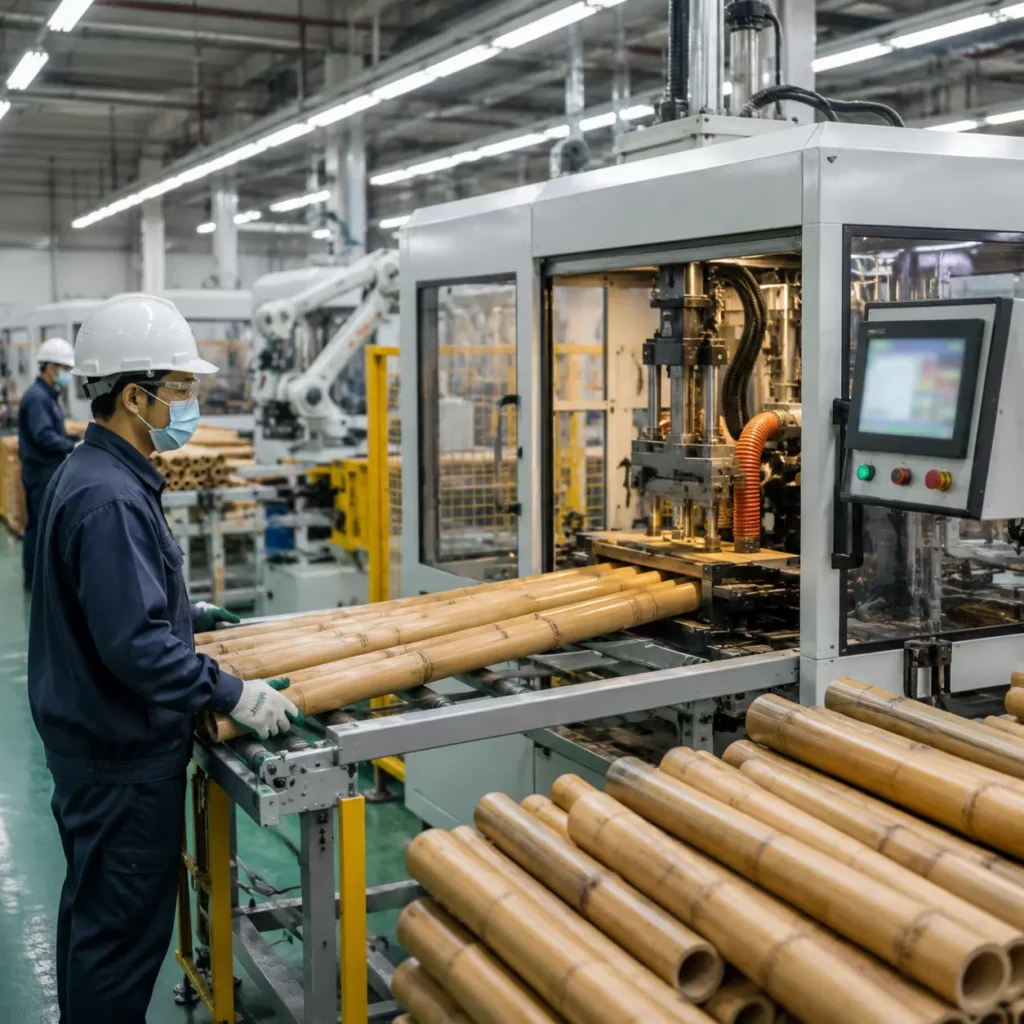
As a premier Bamboo Manufacturer and Supplier, we understand exactly how to make bamboo tray products that meet rigorous global standards. The transition from raw bamboo to a retail-ready product requires an industrialized, highly controlled approach.
Concept Design and Prototype Development
Every successful product begins with comprehensive 3D CAD modeling to assess ergonomics, aesthetics, and structural integrity. Prototypes are CNC-machined from solid bamboo blocks to test physical tolerances and visual appeal before committing to mass production.
Material Selection and Bulk Production Steps
We source mature, 4-to-5-year-old Moso bamboo for optimal hardness.
- Milling: Bamboo culms are split, boiled to remove sugars, and kiln-dried.
- Lamination: The dried strips are glued and pressed under extreme heat and pressure to form solid bamboo boards.
- Machining: Industrial CNC routers and automated saws precisely cut, route, and shape thousands of trays per day with zero variance.
Quality Control, Branding, and Packaging
Each tray undergoes rigorous quality assurance checks to identify any splitting, warping, or finish defects. Logos are permanently applied using precision laser engraving. ly, the trays are shrink-wrapped to maintain ideal moisture levels and packed securely into heavy-duty corrugated cartons for global distribution.

Celia
Celia is a bamboo product manufacturing expert dedicated to green innovation and sustainable supply chain solutions. With over 10 years of industry experience, he helps global businesses build premium private-label eco products. Outside of work, he is an avid nature explorer.
Frequently Asked Questions

Get a Fast, Custom Bamboo Quote