2026 Bamboo Kitchenware Safety Standards and Buyer Guide
The Hidden Risks in Substandard Bamboo Kitchenware
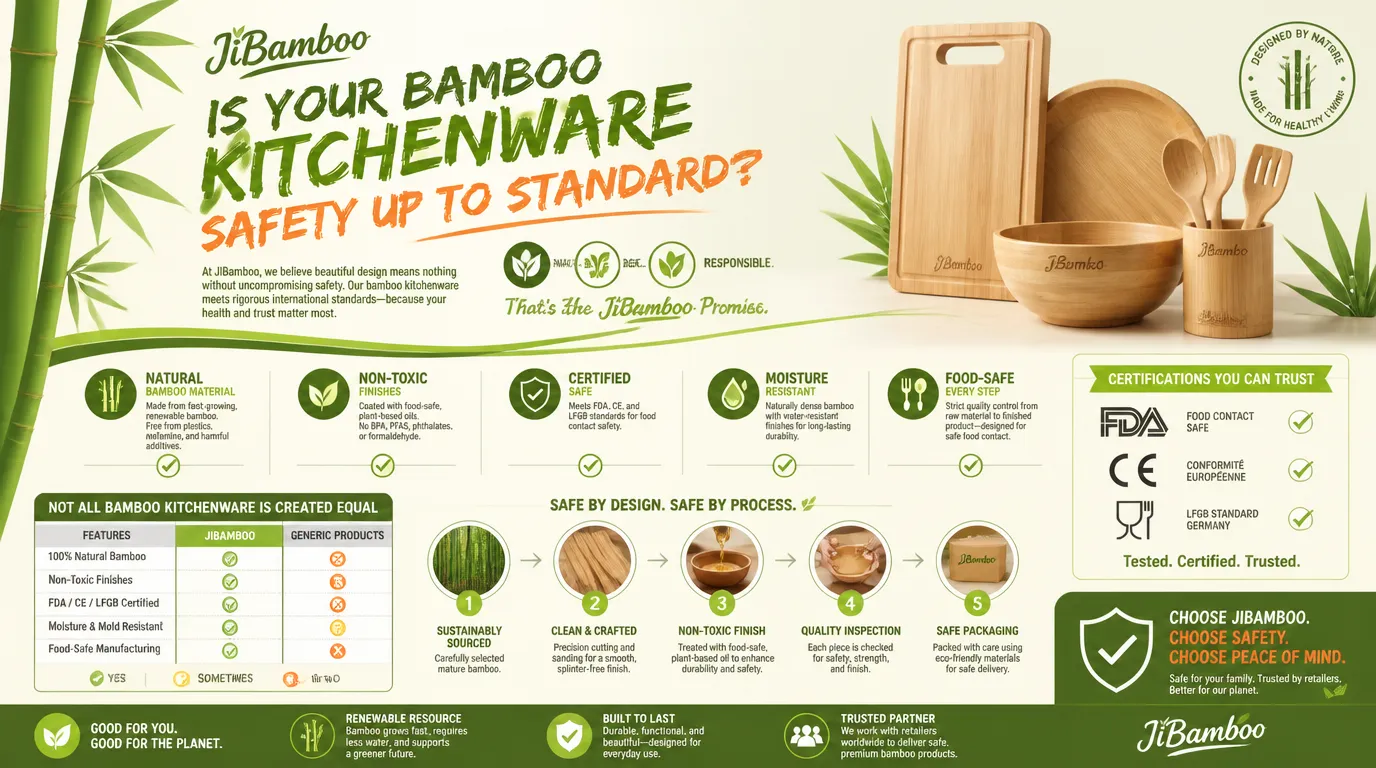
When sourcing products for your inventory, seeing a label that reads \”100% Bamboo\” might seem like an immediate guarantee of safety and eco-friendliness. In our experience as a dedicated bamboo products manufacturer, we know that this label does not always mean 100% safe. The reality behind bamboo kitchenware safety standards is much more complex.
Behind closed factory doors, some suppliers cut costs by compromising on the invisible materials holding the product together. To protect your brand and your customers, you must be aware of the hidden dangers lurking in poorly manufactured items.
Here are the primary hidden risks found in substandard bamboo kitchenware:
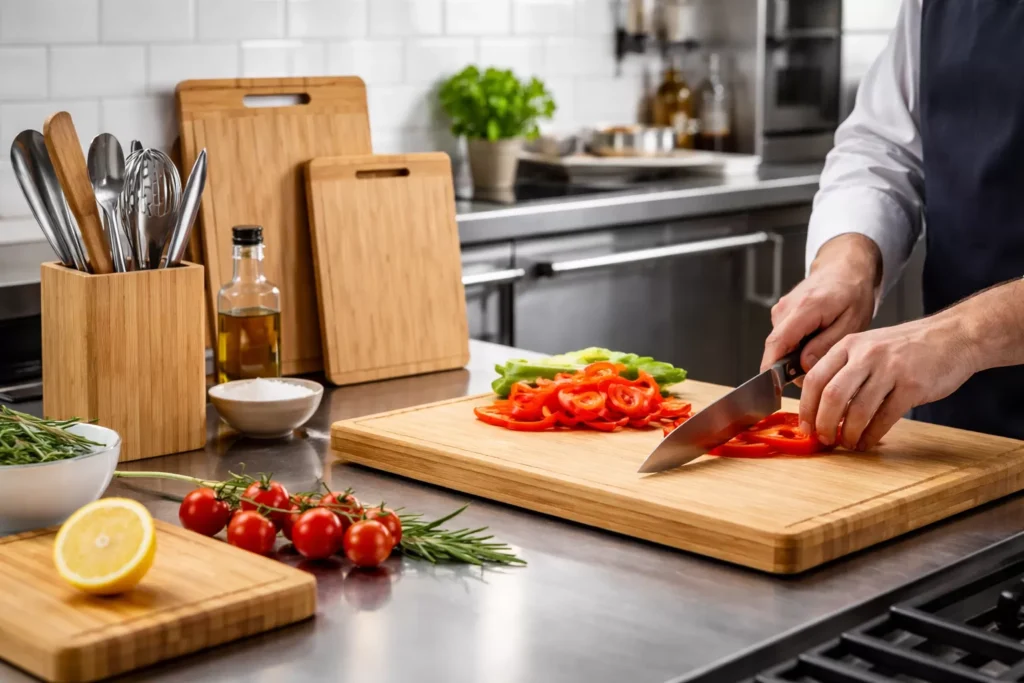
- Toxic Adhesives and Glues: Raw bamboo must be cut into strips and firmly bound together to create durable cutting boards and utensils. Unfortunately, substandard manufacturers often rely on cheap, formaldehyde-based resins to bind these strips. These toxic adhesives can degrade over time and contaminate food.
- Melamine and Plastic Binders: To mass-produce low-cost items, some factories cut corners by mixing bamboo powder with unsafe melamine or cheap plastic binders. This practice completely negates the sustainable aspect of the product and introduces severe health risks under high heat, making it crucial to source specifically melamine-free bamboo dishes.
- Chemical Finishes: The surface treatment of a kitchen tool matters just as much as its core material. Products coated with non-food-safe varnishes or low-grade industrial mineral oils pose a significant threat. These chemical finishes can easily leach into hot or acidic foods during daily use.
Understanding these hidden manufacturing shortcuts is the first critical step in ensuring the formaldehyde-free bamboo products you source actually comply with rigorous food contact material regulations.
Core Safety Standards: What Constitutes \’Food-Grade\’ Bamboo?
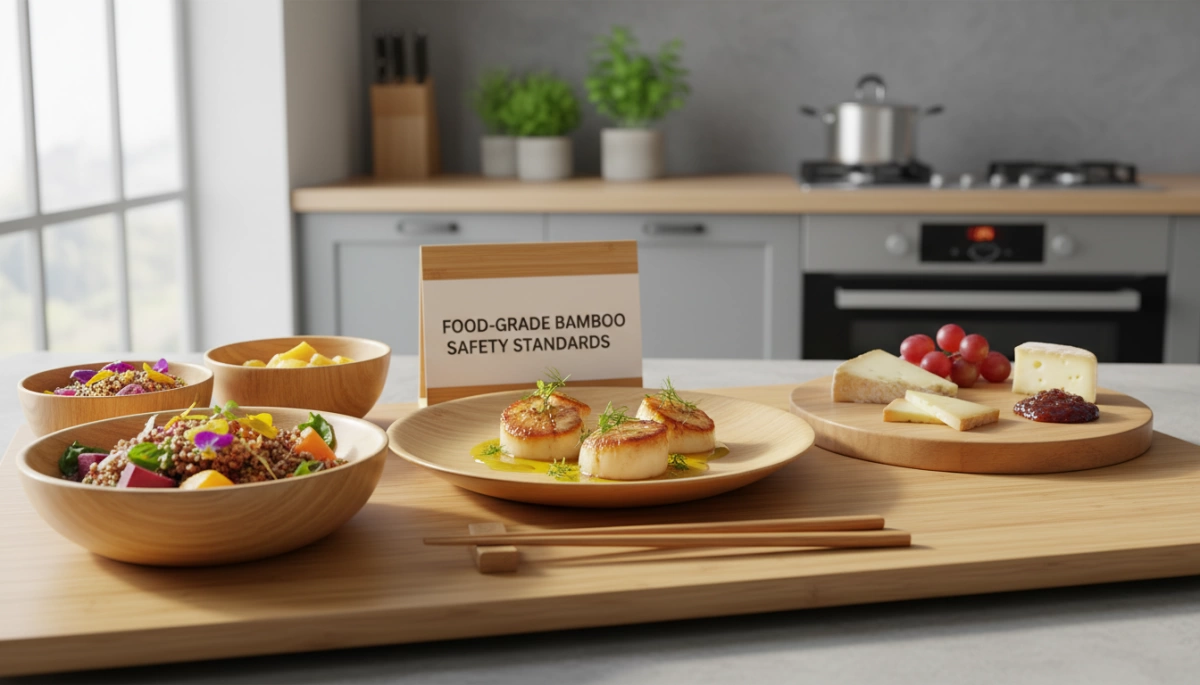
When evaluating bamboo kitchenware safety standards, the term \”natural\” is not enough. True safety requires strict adherence to food-contact regulations across the entire production process. Here is what actually makes bamboo products food-grade:
- BPA-Free Manufacturing: Bisphenol-A has no place in your kitchen. Reliable production requires strict BPA-free bamboo manufacturing, ensuring no harmful plastics or chemical binders contaminate the product at any stage of the production cycle.
- Non-Toxic Adhesives: The glue holding your kitchenware together is just as important as the wood itself. Manufacturing safe bamboo cutting boards demands the use of premium, non-toxic bamboo adhesives. We rely exclusively on food-safe, water-based, or natural glues, completely eliminating the risk of formaldehyde exposure.
- Untreated Raw Materials: Kitchenware safety starts in the soil. We prioritize sustainable bamboo sourcing, selecting only raw materials grown naturally without harmful pesticides and ensuring the soil is completely free from heavy metal contamination.
Understanding deep industry knowledge regarding these core safety metrics is non-negotiable for sourcing reliable, eco-friendly kitchenware. Every single component, from the raw bamboo shoot to the final adhesive, must meet strict food-grade criteria to guarantee consumer safety.
Essential Food-Grade Bamboo Certifications
To confidently answer the question, is your bamboo kitchenware safety up to standard, you have to look directly at the paperwork. We always advise our buyers that true safety is backed by recognized testing. When sourcing inventory, these are the critical bamboo kitchenware safety standards you need to verify:
- LFGB Compliance (Europe): Known as one of the strictest food contact material regulations globally, LFGB compliant bamboo products undergo intense testing. This standard ensures absolutely zero harmful chemical transfer from the bamboo to the food.
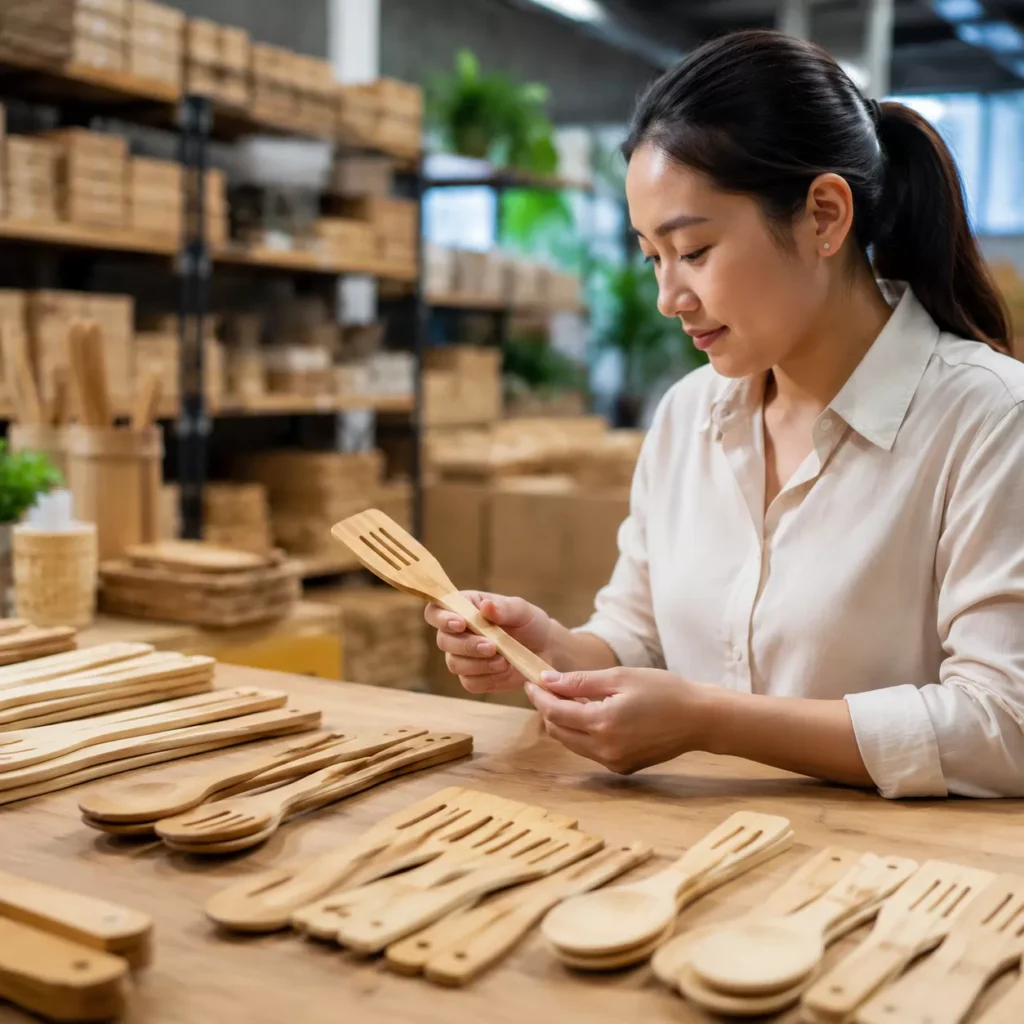
- FDA Approval (US): This is the absolute baseline for the American market. Sourcing FDA approved bamboo utensils guarantees the materials meet strict federal safety guidelines for direct food contact. Whether you are importing basic cooking spoons or a premium wholesale bamboo cheese board, this certification is non-negotiable.
- FSC Certification: Safe products start with sustainable bamboo sourcing. FSC certification ensures the raw materials are harvested from responsibly managed forests, protecting the local ecosystem and preventing soil contamination.
- SGS Testing: Trust, but verify. Third-party SGS laboratory testing confirms the total absence of heavy metals and toxins. For items meant for daily use or direct mouth contact, such as an eco-friendly disposable bamboo cutlery set, independent lab reports offer the ultimate peace of mind.
How Jibamboo Ensures Uncompromising Kitchenware Safety
As a leading wholesale bamboo kitchenware supplier, we know that hitting strict bamboo kitchenware safety standards is non-negotiable. Our manufacturing process is built around complete transparency and uncompromising safety protocols. Here is an inside look at how we deliver excellence and safety in every product we make.
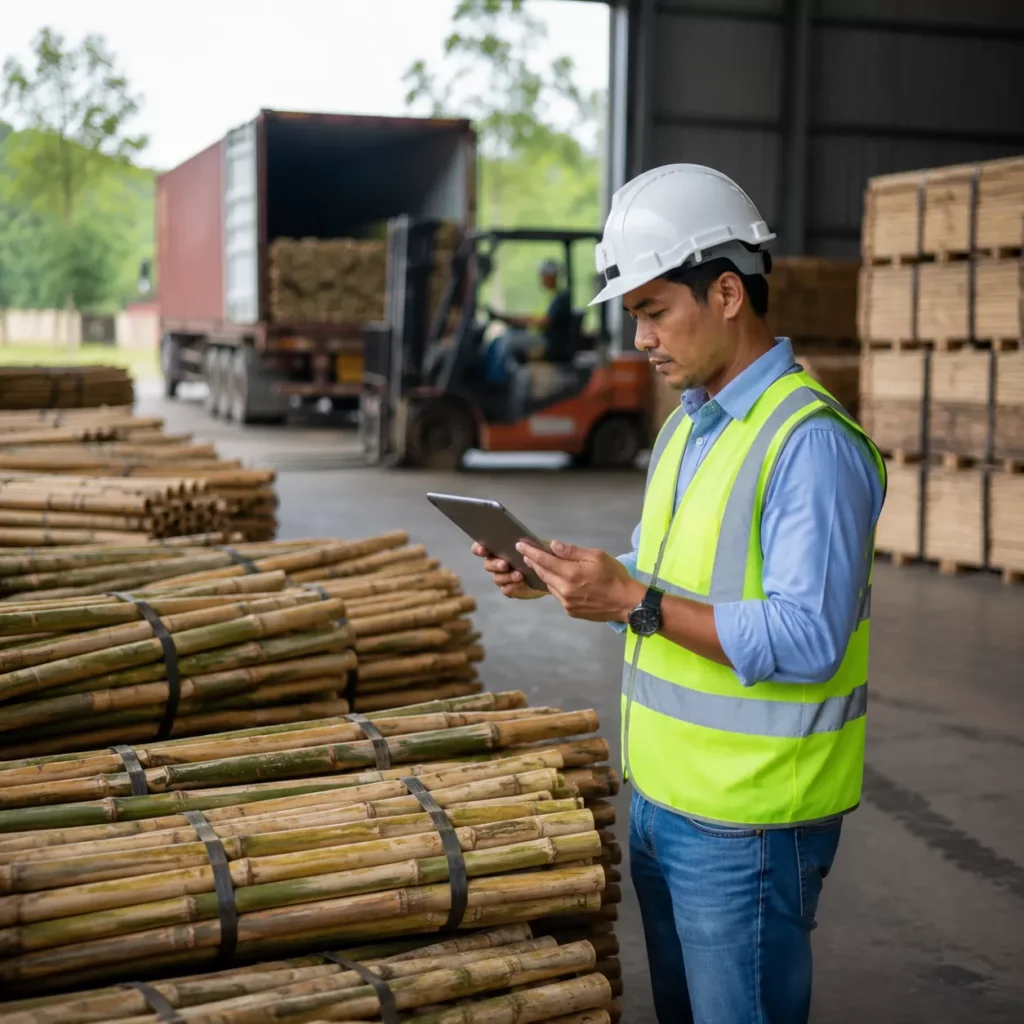
- Strict Material Sourcing: Safety starts at the root. We only harvest mature, pesticide-free bamboo to guarantee eco-friendly kitchenware safety and sustainable bamboo sourcing right from the raw material stage.
- Our Adhesive Promise: We exclusively use premium, non-toxic bamboo adhesives. You will never find formaldehyde or harsh chemical resins binding our wood strips together.
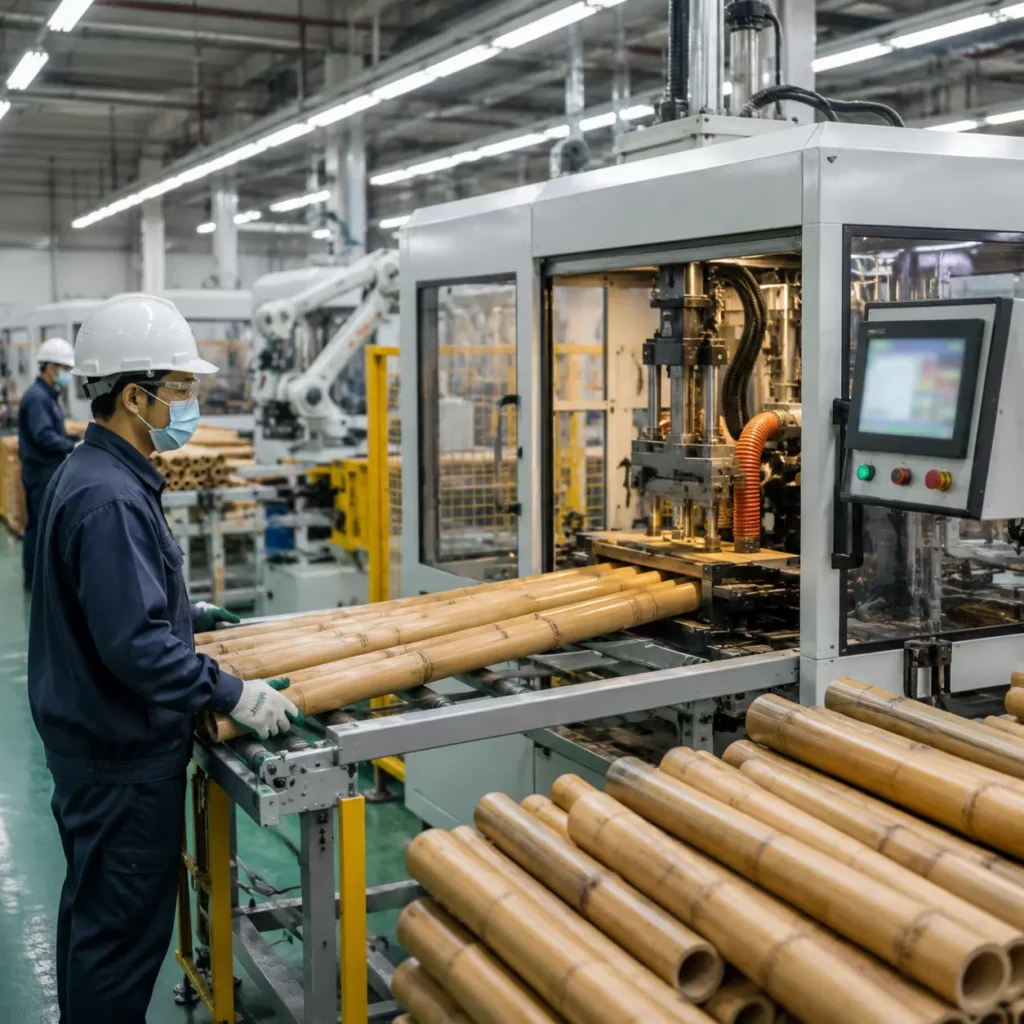
- Certified Facilities: We maintain world-class standards across our production lines. Our facilities focus entirely on BPA-free bamboo manufacturing and consistently meet both FDA requirements and strict European regulations to produce LFGB compliant bamboo products.
- Rigorous QA Testing: Every single batch undergoes intense laboratory and performance testing before it leaves our factory. Whether we are producing heavy-duty cutting boards or a convenient bamboo sofa snack tray with cup holders, we verify that every item is completely safe for direct food contact.
Through Jibamboo kitchenware manufacturing, we ensure that every bowl, utensil, and board you source is fully certified, durable, and completely safe for everyday consumer use.
How to Verify Your Supplier\’s Safety Standards
We always advise our wholesale clients to rigorously vet their supply chain partners. When you are sourcing inventory, you need absolute certainty that your bamboo kitchenware safety is up to standard. Use this practical checklist to evaluate any bamboo products manufacturer and ensure strict compliance with food contact material regulations.
Verify Current Certification Documents
Never accept verbal promises regarding safety. Always request and independently verify official paperwork.
- Check validity dates: Ensure all FDA, LFGB, and BPA-free certificates are active and recent.
- Validate the testing lab: Look for authentic test reports from recognized third-party laboratories like SGS or TÜV.
- Match the product category: Confirm the documentation applies to the exact finished items you are purchasing, not just the raw bamboo material.
Conduct the \’Boil Test\’
When you receive product samples, run this simple but highly revealing quality control check.
- The Process: Submerge the bamboo utensil, plate, or bowl in boiling water for 10 to 15 minutes.
- The Warning Signs: Watch closely for any color bleeding into the water. More importantly, check for a sharp, chemical odor. If you smell plastic, glue, or formaldehyde, the item likely contains toxic binders. High-quality, safe bamboo products will only release a mild, natural earthy scent.
Question the Manufacturing Process
A reliable wholesale bamboo kitchenware supplier will gladly offer full transparency regarding their production and finishing details.
- Adhesives: Ask explicitly if they use non-toxic, food-grade adhesives to bind the bamboo strips together.
- Finishes: Ensure the surface is treated with food-safe mineral oils or natural beeswax, completely avoiding industrial varnishes.
- Customization Safety: If you plan to source a bamboo custom made cutting board, ask how their finishing process properly seals the wood after shaping and engraving to maintain a 100% food-safe surface over time.
FAQs About Bamboo Kitchenware Safety
As a dedicated bamboo products manufacturer, we often receive questions about how to keep kitchens safe and toxins out of food. Here are the most common questions we get regarding bamboo kitchenware safety standards.
Is bamboo kitchenware safe for serving hot food?
Yes, absolutely. As long as your items meet strict food contact material regulations, they are safe for hot meals. High-quality, LFGB compliant bamboo products will not warp, melt, or leach harmful chemicals when exposed to heat. However, always avoid putting bamboo in the microwave or dishwasher.
How can I tell if a bamboo cutting board uses toxic glue?
The easiest giveaway is the smell. If a new cutting board has a sharp, chemical odor—especially when you run it under hot water—it likely contains formaldehyde or cheap industrial resins. Safe bamboo cutting boards only use water-based, non-toxic bamboo adhesives that have zero chemical smell.
Does bamboo naturally contain BPA or melamine?
No. In its raw form, bamboo is completely natural and non-toxic. Chemicals like BPA and melamine are only introduced when manufacturers cut corners by mixing bamboo fibers with cheap plastic binders. Our bamboo products strictly rely on BPA-free bamboo manufacturing processes to ensure the final product is 100% natural and safe.
What is the best way to clean and maintain food-grade bamboo?
Maintaining your eco-friendly kitchenware safety is simple:
- Hand wash only: Use warm water and mild dish soap.
- Dry immediately: Wipe it down with a towel right after washing to prevent moisture buildup.
- Oil regularly: Rub food-grade mineral oil into the bamboo every few months to keep the wood hydrated and prevent cracking.
- Never soak: Leaving bamboo submerged in water will cause it to swell and split.

Celia
Celia is a bamboo product manufacturing expert dedicated to green innovation and sustainable supply chain solutions. With over 10 years of industry experience, he helps global businesses build premium private-label eco products. Outside of work, he is an avid nature explorer.
Frequently Asked Questions

Get a Fast, Custom Bamboo Quote