How to Make a Bamboo Box DIY Planters and Storage Guide
Are you tired of overpaying for flimsy garden containers that don\’t last? Building your own bamboo box is the ultimate way to combine sustainable construction with a high-end, exotic aesthetic.
Whether you need a weather-resistant planter to stop invasive root spread or a sleek decorative storage box for your home, the right technique makes all the difference. Most DIY projects fail because they overlook critical details like potting soil aeration and root barrier protection.
In this guide, I’m sharing the professional methods used to work with bamboo culms and slats—from mastering bamboo joinery to applying the perfect linseed oil finish. Using Jibamboo’s professional-grade materials, you\’ll learn how to create structures that are as durable as they are beautiful.
Ready to build something better? Let’s dive in.
Planning Your Bamboo Box Project
When clients ask us how to make a bamboo box, my first question is always about the end goal. Are you building a decorative box out of bamboo, or are you constructing a robust planter specifically for growing live bamboo? Defining your exact purpose dictates your entire design. As a dedicated bamboo manufacturer, I want to ensure your foundation is built for long-term success.
Bamboo Culms vs. Bamboo Slats
Selecting the right raw materials is the first critical step of your project:
- Bamboo Culms (Poles): These provide massive structural strength. We rely on thick, whole poles to build heavy-duty internal frames that can handle serious pressure.
- Bamboo Slats: These are perfect for the exterior siding. Slats offer a polished, seamless look and make the outside of the box visually appealing while keeping the weight manageable.
Building With Bamboo vs. For Bamboo
If your plan involves containing live bamboo plants, you must prepare for intense root pressure.
- Avoid Plastic Completely: I cannot stress this enough—never use plastic containers or weak plastic liners. Aggressive bamboo roots will absolutely crack and destroy them.
- Use High-Strength Materials: Your box must safely restrain the plant\’s growth. Stick to sturdy construction materials like solid wood, thick bamboo, or metal to ensure the roots stay contained.
The 18” x 18” x 18” Golden Rule
Space is the most critical factor for a healthy root ball. If you are building a planter, you must adhere to our strict sizing guidelines.
- Absolute Minimum Size: You must build the box to be at least 18” x 18” x 18” (45 x 45 x 45 cm).
- Promotes Healthy Root Growth: This specific volume ensures clumping bamboo varieties have enough room to thrive without stunting their natural development.
- Crucial Wind Stability: As your bamboo grows vertically, it acts like a sail. A box built to this minimum size guarantees the heavy, sturdy base required to prevent the entire structure from toppling over in strong winds.
Essential Tools and Materials for Your Bamboo Box
To successfully learn how to make a bamboo box that lasts, you need the right supplies. Using high-quality materials ensures your planter can handle the weight of the soil and the pressure of growing roots.
Hardware and Adhesives
Building a sturdy frame is the first step. Because these boxes live outdoors, standard nails won\’t cut it.
- Galvanized Screws: Essential for preventing rust and ensuring the structure remains tight over time.
- Drill Bits: Necessary for pre-drilling holes to prevent the bamboo or timber from splitting.
- Waterproof Wood Glue: Provides an extra layer of structural integrity at the joints.
Bamboo Components
The quality of your bamboo determines the lifespan of the project. We recommend using Jibamboo premium poles or treated bamboo boards for the exterior. These materials offer the natural aesthetic of a tropical garden while providing the density needed for outdoor durability.
Lining and Drainage Essentials
Proper drainage is the \”secret sauce\” for healthy bamboo. Without it, roots will rot.
- Geotextile Mesh or Landscape Fabric: Lines the inside of the box to keep the soil from washing out of the drainage holes.
- Gravel or Pot Chippings: A thick layer at the bottom of the box facilitates better water flow.
- Short Legs/Feet: Elevating the box is critical. It allows excess water to escape and lets you monitor for any roots trying to escape through the bottom.
Protective Finishes
Bamboo is a natural fiber and requires protection from the elements. To prevent graying and cracking, you must apply a finish:
- Natural Linseed Oil: My top recommendation for a water-resistant, eco-friendly finish.
- UV-Resistant Sealant: Helps maintain the original color of the bamboo culms when exposed to direct sunlight.
| Material Type | Purpose | Recommendation |
|---|---|---|
| Structure | Main Body | Jibamboo Treated Boards/Poles |
| Fasteners | Assembly | Galvanized Screws |
| Drainage | Root Health | Mesh Lining & Stones |
| Sealant | Longevity | Linseed Oil |
Using these specific materials ensures your DIY project doesn\’t just look good on day one, but remains a functional part of your garden for years to come.
Step-by-Step: Building a Professional Bamboo Planter Box
Learning how to make a bamboo box that lasts requires a focus on structural integrity and proper drainage. Building your own is a cost-effective alternative to expensive store-bought options and allows you to customize the dimensions for your specific space. If you prefer a professional touch for other areas of your home, you might also consider a custom bamboo box for specialized storage needs.
Step 1: Framing the Structure
Construct a sturdy internal frame using rot-resistant timber or thick bamboo culms. This frame is the backbone of your planter and must withstand the outward pressure of growing roots. To ensure healthy growth, the internal dimensions should be at least 18” x 18” x 18” (45 x 45 x 45 cm). This \”Golden Rule\” provides enough volume for the root ball to establish without the plant becoming stunted.
Step 2: Attaching the Exterior
For a clean, professional finish, secure bamboo slats or halved poles to the outside of your frame. Use galvanized screws to prevent rusting and waterproof wood glue for extra reinforcement. This layer gives the box its tropical aesthetic while the inner frame handles the heavy lifting of the soil weight.
Step 3: Elevating the Base
Adding short legs or feet is a non-negotiable step. Elevating the box serves two vital purposes:
- Drainage: It allows excess water to exit the box freely, preventing the bottom from rotting.
- Root Management: It enables you to monitor the bottom and easily trim any roots that attempt to grow through the drainage holes and into the ground.
Step 4: Drainage and Lining
Drill several precision holes in the base of the box. To prevent your fertile potting soil from escaping, line the bottom with a geotextile mesh. Before adding soil, place a layer of stones or old pot chippings over the mesh. This setup ensures excellent aeration and prevents the drainage holes from clogging.
Step 5: Weighting for Stability
Bamboo grows tall and can become top-heavy, acting like a sail in the wind. To prevent the box from toppling, ensure the construction is heavy and sturdy. Using a thick timber base or adding a heavy layer of gravel at the bottom provides the necessary ballast. Never use plastic liners in these boxes; bamboo roots are incredibly strong and will eventually crack plastic, leading to leaks and structural failure.
Specialized Techniques: Round and Small Bamboo Boxes
While large rectangular planters are standard for garden privacy, mastering how to make a bamboo box in smaller or rounded formats allows for more decorative applications. These specialized techniques utilize the natural anatomy of the bamboo culm to create functional, aesthetic containers for both indoor and outdoor use.
Crafting a Round Bamboo Box
Building a cylindrical container is often simpler than a square one because you are working with the bamboo\’s natural shape. To create a round box, select a large-diameter bamboo pole (culm) and cut it just below a node. The node acts as a natural, watertight bottom for the container.
- Node Utilization: Ensure the cut is clean to prevent splintering. The internal \”wall\” of the node provides the base, making it perfect for small planters or organizers.
- Sanding: Smooth the top rim to remove sharp edges.
- Drainage: If using this for a small live plant, drill a small hole through the node to prevent root rot.
Small Decorative Boxes for Tabletop Storage
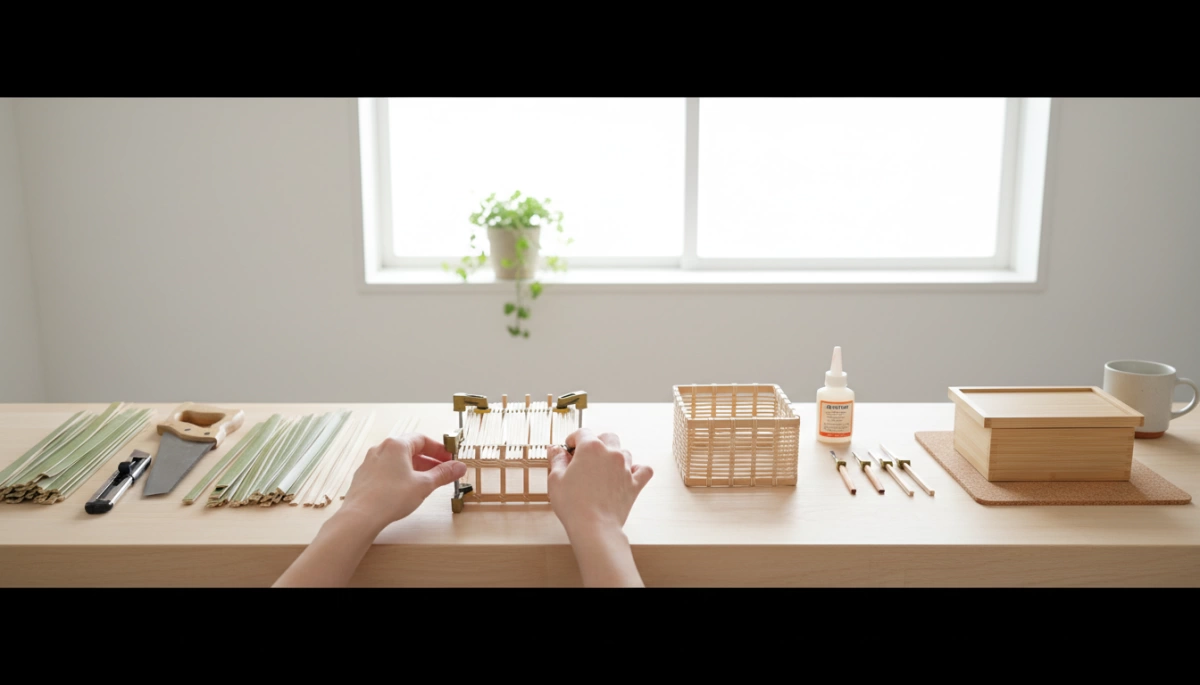
For those looking to create smaller items like gift boxes or desk accessories, precision is key. Unlike large outdoor planters that prioritize structural weight, small boxes focus on joinery and finish. Using bamboo slats or thin boards allows you to create refined items similar to a 3-tier bamboo drawer storage organizer which maximizes space with a clean, minimalist look.
- Precision Cutting: Use a fine-toothed saw to prevent the bamboo fibers from tearing.
- Joinery: For small boxes, waterproof wood glue combined with small bamboo pins creates a seamless appearance without the need for heavy metal fasteners.
- Applications: These are ideal for tabletop storage, jewelry boxes, or small succulent holders.
Working with Curves and Natural Shapes
Bamboo is rarely perfectly straight, and you can use this to your advantage. When learning how to make a bamboo box with a unique flair, look for naturally curved sections of the culm.
- Selection: Choose sections with slight bends to create \”organic\” looking planters that fit into corner spaces.
- Bending Techniques: While professional heat-bending is an option, selecting naturally curved pieces is more accessible for DIY projects.
- Stability: When using curved bamboo for a box, ensure the base is weighted or leveled with short legs to prevent the container from toppling over once filled with soil or items.
Finishing for Longevity
Regardless of the size or shape, all bamboo boxes require protection to prevent cracking in the sun or rotting from moisture.
- Annual Treatment: Apply a coat of linseed oil or a natural wood preserver every year.
- Sealant: For indoor decorative boxes, a light wax or clear sealant helps maintain the natural luster of the bamboo and prevents it from graying over time.
Technical Requirements for Live Bamboo Containment
When figuring out how to make a bamboo box for live plants, managing the intense root system is your top priority. As experienced manufacturers, we know that building a beautiful bamboo box is only half the job; the interior environment dictates the plant\’s survival.
Clumping vs. Running Bamboo
- Always Choose Clumpers: Clumping bamboo varieties are the only safe choice for planter boxes. They grow in tight, manageable groups and won\’t overwhelm the container.
- Avoid Runners: Running bamboo has aggressive, invasive rhizomes that will quickly outgrow and severely damage your structure.
Root Pressure Management
Bamboo roots expand with immense force. You must plan the interior carefully to prevent structural blowouts.
- No Plastic Liners: Never line your planter with plastic materials. The expanding roots will easily crack and shatter plastic over time.
- Use Mesh Instead: Line the interior with a heavy-duty, breathable landscape fabric or mesh. This acts as a flexible root barrier that keeps soil safely inside without cracking under pressure.
Soil Composition & Drainage
Live bamboo requires highly fertile potting soil with exceptional drainage. If the roots sit in water, the plant will fail.
| Requirement | Best Practice | Purpose |
|---|---|---|
| Base Layer | Stones or old pot chippings | Prevents drainage holes from clogging |
| Soil Mix | Fertile, lightweight mix | Ensures proper potting soil aeration |
| Moisture Control | Fast-draining setup | Keeps roots from rotting in stagnant water |
Getting these internal technical details right ensures your custom planter supports healthy, vibrant growth year after year without failing under the pressure of the root system.
How to Make a Bamboo Box Last: Maintenance and Longevity
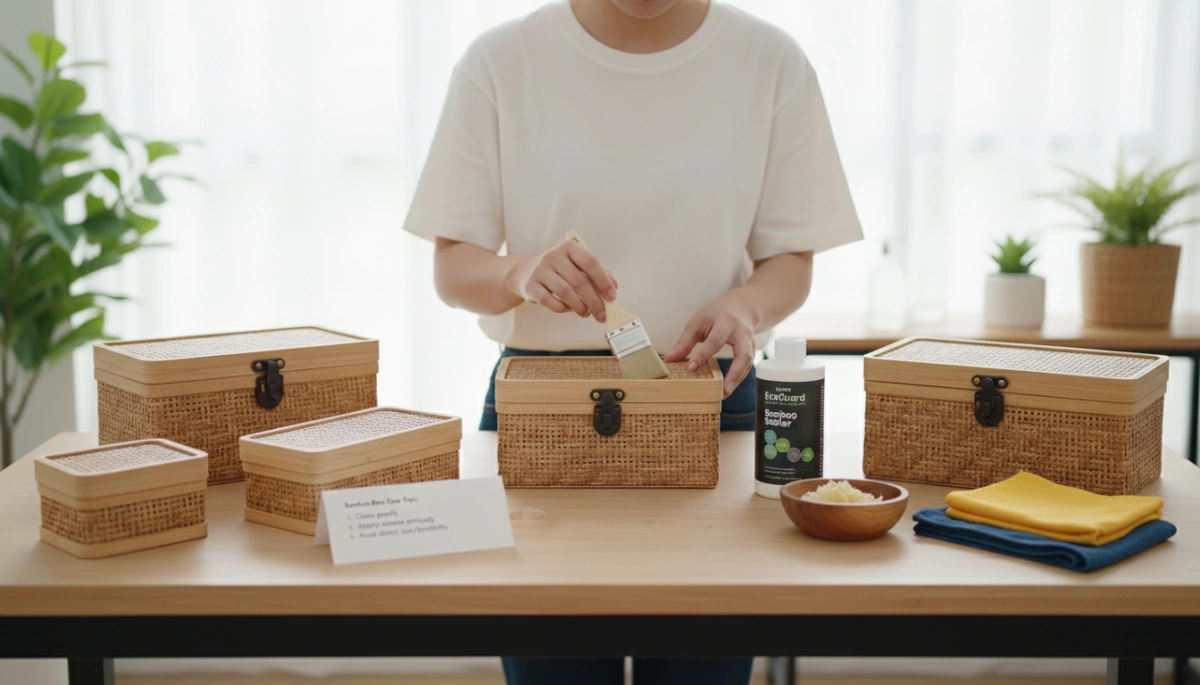
To ensure your DIY project remains a functional part of your garden for years, you must follow a strict maintenance schedule. Learning how to make a bamboo box is only the first half of the process; preserving the material against the elements is what guarantees your investment pays off.
Annual Weatherproofing and Linseed Oil Finish
Bamboo is a natural fiber that will eventually gray, split, or rot if left exposed to constant moisture and UV rays. I recommend an annual treatment routine to keep the structure water-resistant:
- Apply Natural Preservers: Every year, apply 1-2 coats of a natural wood preserver like linseed oil. This penetrates the fibers and prevents the box from becoming brittle.
- Surface Protection: Regular oiling maintains the aesthetic appeal of the bamboo and prevents the sun from bleaching the natural color.
- Inspect the Joints: Check for any movement in the frame and tighten hardware as needed to ensure the box remains sturdy enough to support heavy growth.
Winterization and Root Protection
Container-bound bamboo is more susceptible to temperature extremes than plants in the ground. Protecting the root ball is essential for the plant\’s survival and the box\’s structural integrity.
- Thermal Wrapping: During extreme cold snaps, wrap the exterior of the box in fleece or bubble wrap. This prevents the soil from freezing solid and cracking the planter walls.
- Clear Drainage: Ensure the drainage holes and the space beneath the short legs are free of debris. Standing water that freezes can expand and damage the base of your bamboo box.
Plant Maintenance to Prevent Structural Damage
Even clumping bamboo varieties exert significant pressure as their root systems expand. If left unmanaged, the sheer force of the roots can burst the sides of your planter.
- Divide the Bamboo: Every few years, you must lift and divide the plant. This reduces root pressure and provides you with new specimens for other areas of the garden.
- Monitor Root Growth: Use the elevation provided by the legs to check for roots escaping through the bottom. Trim these back immediately to prevent them from lifting the box or clogging drainage paths.
- Soil Aeration: Refresh the top layer of potting soil annually to ensure the bamboo receives proper nutrients and the soil doesn\’t become overly compacted.
Frequently Asked Questions About Bamboo Boxes
When learning how to make a bamboo box, you likely have specific questions about durability and technique. Here are the essential facts for building and maintaining high-quality bamboo structures.
How long does a DIY bamboo box last outdoors?
A properly constructed bamboo box can last for many years if maintained correctly. Because bamboo is a natural material, it requires an annual coat of a natural wood preserver, such as linseed oil, to remain water-resistant and rot-free. Without treatment, exposure to the elements will significantly shorten its lifespan.
What is the best way to cut bamboo without splintering?
To achieve a clean edge, use a fine-toothed saw. A helpful trick is to wrap masking tape around the area you intend to cut; this holds the fibers in place and prevents the bamboo from splintering. For those also interested in smaller interior projects, similar precision is used when crafting a bamboo silverware organizer to ensure smooth, snag-free dividers.
Can I use regular wood glue for bamboo joinery?
For outdoor planter boxes, regular wood glue is not sufficient. You must use waterproof wood glue to handle the moisture from watering and rain. Additionally, because bamboo roots exert significant pressure, mechanical fasteners like galvanized screws are recommended to reinforce the joints.
How do I prevent bamboo from cracking in the sun?
Bamboo cracks when it loses its natural moisture too quickly. To prevent this:
- Apply a UV-resistant sealant or natural oil annually.
- Avoid placing the box in areas with extreme, reflected heat.
- Ensure the bamboo is seasoned and treated before you begin the process of how to make a bamboo box.
Is a plastic liner necessary for a bamboo planter?
No, and it is actually discouraged. Strong bamboo roots can easily crack plastic liners. Instead, use a mesh lining or landscape fabric to keep the soil contained while allowing for the necessary drainage through the bottom holes. This setup ensures your box remains sturdy without the risk of hidden structural failure.
Related Sources

Celia
Celia is a bamboo product manufacturing expert dedicated to green innovation and sustainable supply chain solutions. With over 10 years of industry experience, he helps global businesses build premium private-label eco products. Outside of work, he is an avid nature explorer.
Frequently Asked Questions

Get a Fast, Custom Bamboo Quote