2026 Eco Friendly Retail Trends Sustainable Growth
The Rise of Eco-Conscious Consumerism in 2026
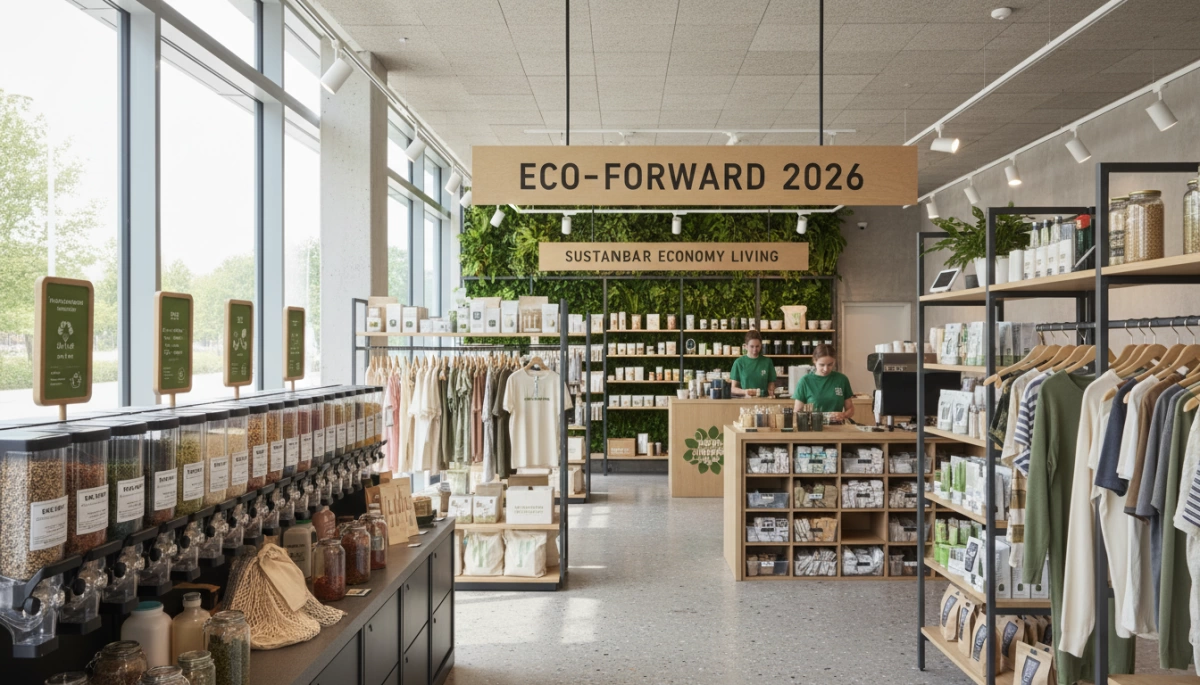
By 2026, the retail landscape has undergone a fundamental transformation. Sustainability is no longer a secondary consideration or a niche marketing tactic; it is the primary lens through which global consumers evaluate brand value. As environmental concerns intensify, the green consumer products market has moved into the mainstream, dictating the success of retail strategies worldwide.
Key Demographics: Gen Z and Millennial Sustainability Drivers
Gen Z and Millennials now represent the most significant block of purchasing power. These generations are the primary architects of eco-friendly retail trends 2026, demanding that brands move beyond performative gestures toward radical transparency.
- Ethical Alignment: Over 80% of younger consumers prioritize purchasing from brands that demonstrate a commitment to the planet.
- Material Preference: There is a surging demand for renewable alternatives, such as bamboo products, which offer durability with a low environmental footprint.
- Accountability: These cohorts utilize social media and digital tracking to hold retailers accountable for their carbon claims.
Eco-Friendly Consumer Statistics and Behavioral Goals
The shift in consumer behavior is backed by aggressive data-driven trends. Shoppers are no longer just \”interested\” in the environment; they are actively restructuring their lives around zero-waste principles.
| Metric | 2026 Projection |
|---|---|
| Preference for Sustainable Packaging | 78% of Global Consumers |
| Willingness to pay a premium for Recycled Materials | 64% of Shoppers |
| Growth of the Circular Economy Sector | +25% Annually |
Consumer behavioral goals have shifted from \”buying more\” to \”buying better.\” This includes a focus on product longevity, repairability, and the elimination of single-use plastics from the daily supply chain.
Why Sustainability is Now a Core Retail Requirement
For modern retailers, adopting sustainable product trends is a matter of operational survival. The transition from a linear \”take-make-waste\” model to a sustainable framework is driven by three core pillars:
- Regulatory Compliance: Global governments are implementing stricter mandates on carbon reporting and waste management.
- Risk Mitigation: Sustainable sourcing protects supply chains from climate-related disruptions and resource scarcity.
- Brand Equity: In a crowded market, a verified commitment to eco-friendly practices is the strongest tool for building long-term customer loyalty and trust.
Retailers that fail to integrate these values into their core DNA risk total obsolescence as the market pivots toward a greener, more responsible future.
The Shift Toward a Circular Economy Model
By 2026, the traditional \”take-make-waste\” approach is being replaced by a circular economy that prioritizes resource recovery. We are seeing a massive pivot where products are designed to stay in use for as long as possible. This isn\’t just a niche movement; it\’s a fundamental restructuring of the green consumer products market to ensure long-term viability and brand relevance.
Transitioning from Linear Sales to Product Rental and Resale
Retailers are moving beyond the single point of sale. Subscription models, trade-in programs, and official resale platforms are becoming standard across the industry. This shift allows us to maintain a relationship with the customer throughout the product\’s entire lifecycle, reducing the demand for virgin raw materials while maintaining profitability through service-based revenue and secondary market control.
Circular Materials and Durable Design Standards
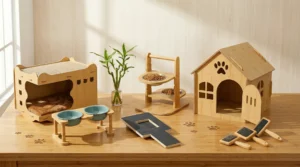
Durability is the new luxury. We focus on high-quality, renewable resources that can withstand years of heavy use. For instance, our multilayer bamboo plant shelf exemplifies these durable design standards, using fast-growing, sturdy materials that align with the core eco-friendly retail trends 2026.
- Key Material Focus:
- Bamboo: Exceptional tensile strength and rapid regrowth cycles.
- Recycled Materials: Post-consumer waste transformed into high-grade retail components.
- Modular Design: Products engineered with parts that are easily replaced or repaired rather than discarded.
Waste Diversion Systems and Upcycling Initiatives
Zero-waste is no longer an aspiration; it is a logistical requirement for modern brands. We implement waste diversion systems that turn manufacturing scraps into entirely new product lines. These upcycling initiatives ensure that even at the end of a product\’s primary life, its components are repurposed, keeping materials out of landfills and supporting a truly closed-loop manufacturing system.
Sustainable Packaging Trends for 2026
Recycled Content and Transparency as Trust Signals
By 2026, \”eco-friendly\” is no longer a buzzword; it is a verified requirement. Consumers are scrutinizing labels for specific percentages of recycled materials and post-consumer waste. We ensure our packaging tells a clear story of its origin, often using digital passports or QR codes to provide full lifecycle transparency. This builds the radical trust necessary to succeed in the modern green consumer products market, where shoppers demand proof over promises.
The Refinement of Compostables and Bio-Based Materials
The next generation of sustainable packaging focuses on materials that leave zero trace. We are moving away from \”biodegradable\” plastics that require industrial facilities and toward home-compostable solutions.
- Mushroom packaging for fragile goods.
- Seaweed-based films for moisture barriers.
- Bamboo fiber inserts to replace molded plastic trays.
When you find wholesale bamboo kitchenware suppliers that integrate these bio-based materials into their shipping and product protection, you significantly reduce your brand\’s total environmental footprint.
Refillable Solutions and Plastic-Free Packaging Innovations
The zero-waste movement is driving a surge in refillable packaging systems. Retailers are adopting \”loop\” models where the primary container is a durable asset, and refills are shipped in lightweight, plastic-free envelopes.
- Eliminating single-use plastics: Switching to FSC-certified paper and soy-based inks for all outer boxing.
- Concentrated formulas: Reducing packaging volume and shipping emissions simultaneously.
- Multi-use designs: Creating packaging that serves a secondary purpose, such as a bamboo spiral notebook with elastic band where the durable cover is designed for long-term reuse rather than disposal.
These sustainable product trends highlight a shift toward minimalist, high-utility packaging that aligns with the circular economy goals of 2026.

High-Demand Eco-Friendly Product Categories
In 2026, the green consumer products market is moving toward high-utility items that don\’t sacrifice style for sustainability. We see a massive shift in how people shop for their daily lives, moving away from disposable culture toward long-term investments.
| Category | Key Trend for 2026 | Material Focus |
|---|---|---|
| Fashion | Resale & Natural Fibers | Organic Cotton, Hemp, Bamboo |
| Beauty | Refillable & Vegan | Zero-waste glass, Plant-based |
| Home/Office | Plastic-free Organization | Bamboo, Recycled Wood, Cork |
Ethical Fashion: Natural Materials and Second-Hand Growth
Ethical fashion is no longer a niche segment. By 2026, natural materials like bamboo and hemp will dominate the market because they require fewer resources to produce. The second-hand growth is also exploding; sustainable product trends show that Gen Z and Millennials prefer \”pre-loved\” items to reduce their carbon footprint. Brands that offer repair services or buy-back programs are winning the most loyalty.
Clean Beauty: Refillable Cosmetics and Vegan Personal Care
Clean beauty is all about transparency and waste reduction. Refillable cosmetics and vegan personal care items are now the industry standard. Consumers are ditching single-use plastics for glass or aluminum containers that can be replenished. We focus on formulas that are free from harsh chemicals, ensuring that what goes on the body is as safe as what goes into the earth.
Eco-Conscious Home, Kitchen, and Office Essentials
For the home and office, we are seeing a surge in demand for plastic-free alternatives that look great on a desk or countertop. Our bamboo hair tool organizer with storage tray is a prime example of how functional design meets eco-conscious living by replacing plastic bins with durable, renewable materials.
In the kitchen, the shift toward a zero-waste lifestyle is driving the popularity of biodegradable tools. Simple swaps, such as using a wholesale eco-friendly bamboo pot brush, help households eliminate microplastics from their daily cleaning routines. These small changes are the backbone of eco-friendly retail trends 2026, where every household item is evaluated for its environmental impact.
- Natural Materials: Bamboo, cork, and organic linens.
- Durability: Products built to last 5-10 years rather than months.
- Aesthetics: Minimalist, \”earthy\” designs that fit modern interiors.
- Functionality: Multi-purpose items that reduce the need for excess clutter.
Technology as a Lever for Retail Sustainability
Technology is no longer just about convenience; it is the primary engine driving eco-friendly retail trends 2026. By integrating advanced digital tools, we are moving away from guesswork and toward a data-backed, high-efficiency model that prioritizes the planet.
AI-Powered Analytics for Supply Chain Transparency
AI is the ultimate tool for accountability in the green consumer products market. We utilize AI-driven analytics to map every tier of the supply chain, ensuring that sustainability claims are backed by real-time data.
- Waste Reduction: Predictive algorithms prevent overstocking, significantly cutting down on landfill contributions.
- Carbon Tracking: AI monitors logistics routes to identify the lowest-emission paths for product delivery.
- Ethical Sourcing: Automated audits verify that raw materials meet strict environmental and labor standards.
The Role of 3D Printing in Recyclable Product Manufacturing
3D printing is revolutionizing the circular economy by enabling on-demand production. This shift eliminates the need for massive, energy-consuming factories and reduces the carbon footprint associated with international shipping. By using recycled materials and bio-polymers, we can manufacture complex components that are fully recyclable at the end of their lifecycle, supporting a zero-waste production loop.
Smart Retail Infrastructure: Solar Integration and Energy Efficiency
The physical retail space is evolving into a high-tech, low-impact environment. Modern storefronts are being redesigned as \”living buildings\” that generate their own power and minimize resource consumption.
- Solar-Powered Operations: Integration of transparent solar glass and rooftop arrays to achieve net-zero energy status.
- Smart Climate Control: IoT sensors that adjust lighting and temperature based on foot traffic to maximize energy efficiency.
- Sustainable Fixtures: Moving away from plastic displays toward renewable options. For instance, our natural bamboo hexagon floating shelves provide a durable, carbon-sequestering alternative for modern retail interiors, blending high-tech efficiency with organic design.
By leveraging these technologies, we ensure that sustainability is built into the foundation of the retail experience rather than added as an afterthought.
Next-Generation Green Mobility and Logistics
The Evolution of Accessible Electric Vehicles and Micro-Mobility
By 2026, the way products reach your door will look completely different. I am seeing a massive shift toward micro-mobility solutions like e-cargo bikes and compact electric vans for urban deliveries. These aren\’t just \”green\” alternatives; they are faster and more efficient in congested city centers. For the green consumer products market, this transition reduces the carbon footprint of every single order, making sustainable shopping more accessible to the average person.
Carbon-Neutral Shipping and Open Locker Delivery Networks
Shipping remains one of the largest environmental hurdles, but new logistics models are solving it. We are moving away from individual home deliveries toward open locker networks and centralized pick-up points. This system drastically cuts down on \”last-mile\” emissions and failed delivery attempts.
- Electric Delivery Fleets: Major carriers are swapping diesel for electric to meet 2026 climate targets.
- AI-Optimized Routing: Software now ensures the shortest, most energy-efficient paths for every package.
- Carbon Offsetting: Real-time tracking allows customers to see and neutralize the impact of their shipping.
Sustainable Travel Gear and Performance Outdoor Apparel
The demand for high-performance gear that doesn\’t harm the planet is skyrocketing. I\’ve noticed that travelers are ditching cheap plastics for durable, natural materials. Whether it’s recycled polyester jackets or biodegradable travel kits, the focus is on longevity and circularity. As part of these eco-friendly retail trends 2026, many businesses are opting for custom bamboo corporate gifts to provide their teams with sustainable, high-quality gear that reflects a commitment to the environment.
- Natural Fibers: Increased use of hemp, organic cotton, and bamboo in outdoor apparel.
- Repairability: Brands are offering lifetime repair services to keep gear out of landfills.
- PFC-Free Coatings: Moving toward non-toxic, water-resistant finishes for all-weather performance.
Building Brand Trust and Avoiding Greenwashing
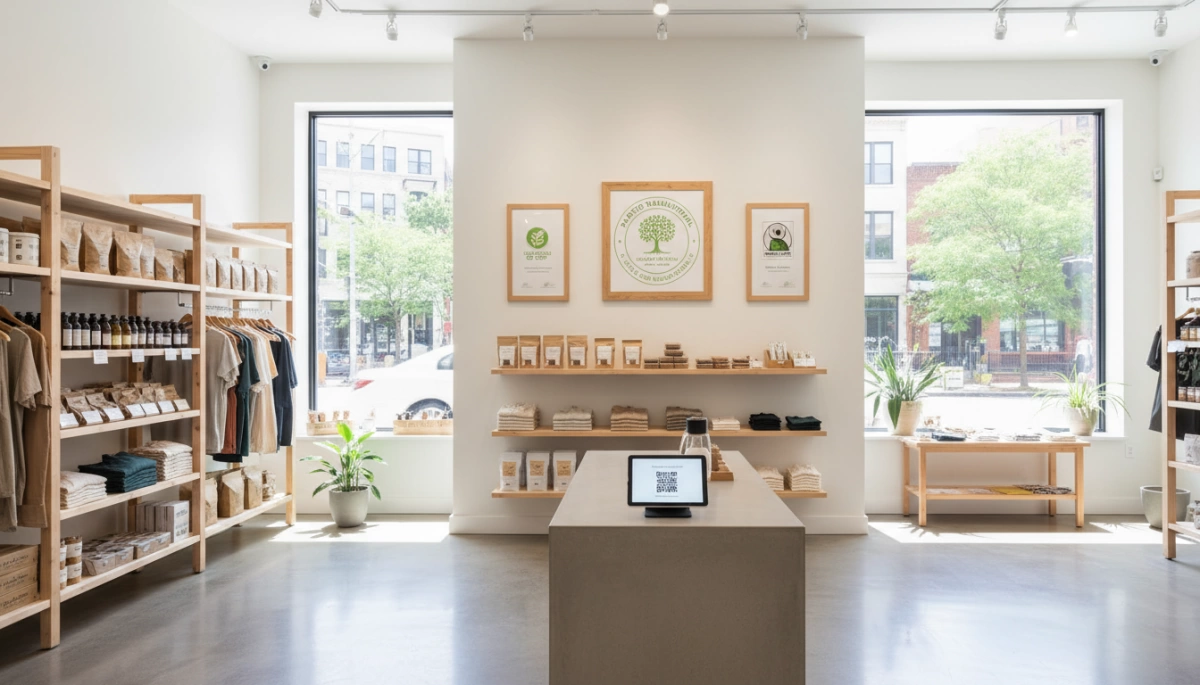
In the landscape of eco-friendly retail trends 2026, trust is the only currency that matters. Consumers are increasingly skeptical of vague \”eco-friendly\” labels and are looking for hard evidence of a brand\’s environmental impact. To stay competitive, we must move beyond marketing buzzwords and provide verifiable proof of our sustainability claims.
Identifying Validated Sustainability Certifications
Third-party validation is the most effective way to combat greenwashing. By 2026, shoppers will look for specific, globally recognized seals rather than generic \”natural\” claims.
- FSC Certification: Ensures wood and bamboo products come from responsibly managed forests.
- B Corp Status: Verifies a company’s entire social and environmental performance.
- Global Recycled Standard (GRS): Tracks and verifies the content of recycled materials in finished products.
- OEKO-TEX: Guarantees textiles are free from harmful substances.
Transparency in Sourcing and Ethical Labor Stories
Transparency is about showing the \”how\” and \”where\” of production. Modern consumers want to know that the people making their goods are treated fairly and that the materials are sourced without destroying local ecosystems. For instance, when we offer a Chinese bamboo tea tray, we highlight the renewable nature of the raw material and the ethical craftsmanship involved in its creation. Sharing these stories builds a deeper emotional connection and reinforces brand integrity.
Choosing Sustainable Partners and Green Suppliers
Your sustainability is only as strong as your weakest supplier. Building a green retail brand requires auditing your entire supply chain to ensure every partner aligns with your zero-waste goals.
- Vetting Suppliers: Work with a dedicated bamboo products manufacturer and supplier that utilizes low-emission manufacturing processes.
- Shared Values: Prioritize partners who invest in renewable energy and water-recycling systems.
- Local Sourcing: Reduce the carbon footprint by choosing suppliers closer to your distribution hubs or those using carbon-neutral logistics.
By focusing on these pillars, we ensure that our commitment to sustainable product trends is authentic, measurable, and resilient against the rising tide of consumer scrutiny.
Future-Proofing Retail Strategy for 2026
To stay ahead of eco-friendly retail trends 2026, I am prioritizing a complete overhaul of operational efficiency. Future-proofing isn\’t just about selling green products; it’s about embedding sustainability into the very DNA of how a business functions. This requires a shift from reactive changes to a proactive, long-term strategy that anticipates both regulatory shifts and evolving consumer demands.
Implementing Low-Carbon Operations and Paperless Systems
I am moving away from traditional, resource-heavy processes by adopting fully digital workflows. Transitioning to paperless systems across inventory management and point-of-sale reduces physical waste and streamlines data tracking.
- Cloud-Based Logistics: Using AI to optimize delivery routes and reduce fuel consumption.
- Digital Receipts: Eliminating thermal paper waste while capturing valuable customer data.
- Energy Monitoring: Installing smart sensors to cut electricity usage in warehouses and storefronts.
Optimizing Pricing and Margins for Sustainable Goods
The green consumer products market often faces the \”sustainability premium\” hurdle. My strategy involves balancing ethical sourcing with competitive pricing to ensure eco-friendly options are accessible to a broader demographic.
- Direct Sourcing: Cutting out middlemen to lower the cost of recycled materials and organic components.
- Value-Based Messaging: Shifting the narrative from \”expensive\” to \”durable and long-lasting.\”
- Economies of Scale: Increasing order volumes for sustainable packaging to drive down unit costs and protect margins.
Designing Nature-Inspired and Green-Certified Retail Spaces
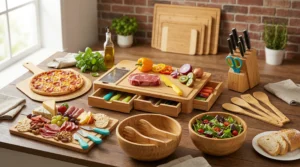
Physical retail environments must reflect the brand\’s values. I focus on biophilic design—incorporating natural elements that improve the shopping experience and reduce environmental impact. Using versatile, renewable materials like bamboo food trays in product displays or cafe areas helps reinforce a commitment to the circular economy.
- Modular Fixtures: Using adaptable furniture that can be reconfigured rather than replaced.
- Natural Lighting: Maximizing sunlight to reduce energy needs and improve mood.
- Certified Materials: Selecting FSC-certified wood, low-VOC paints, and rapidly renewable fibers for all interior finishes.
By integrating these strategies, I ensure that my retail operations are not only compliant with future regulations but also resonate deeply with the values of the 2026 consumer.
Frequently Asked Questions

Get a Fast, Custom Bamboo Quote